Tolkien about Beowulf
After just one day in Oxford, my own university campus seems very plain. Katya, Tom, and I had planned the trip to see the Tolkien exhibit at the Bodleian Library and hear a lecture on Tolkien and Beowulf.
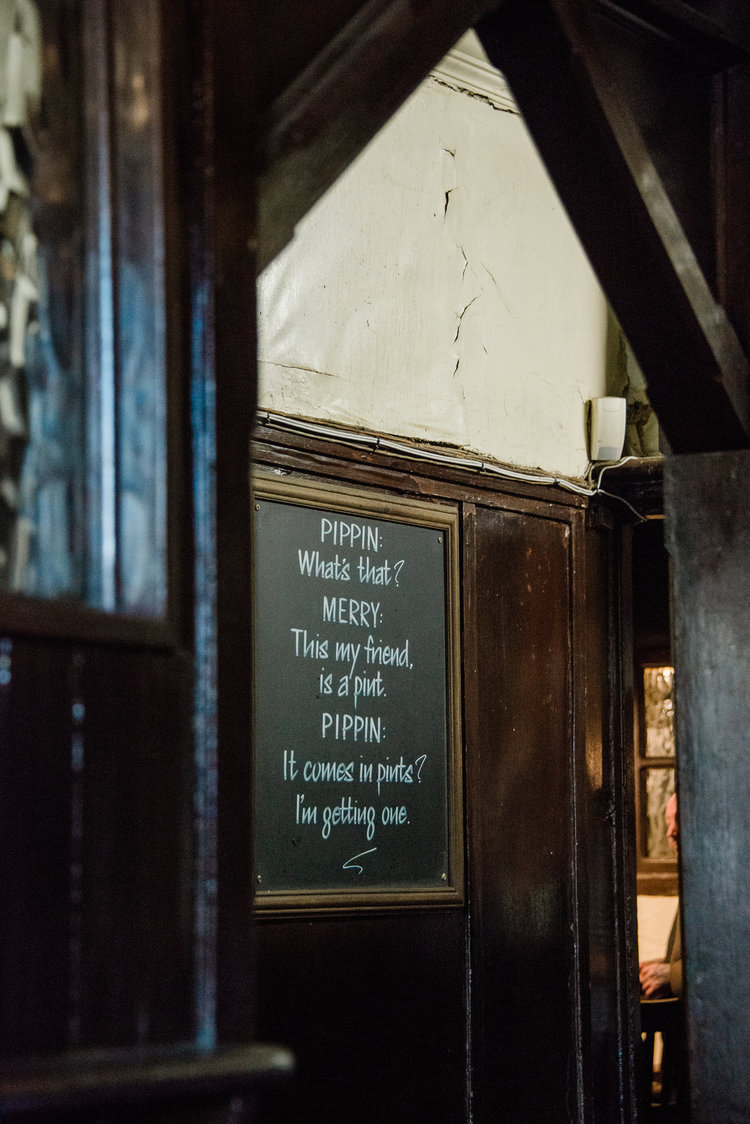
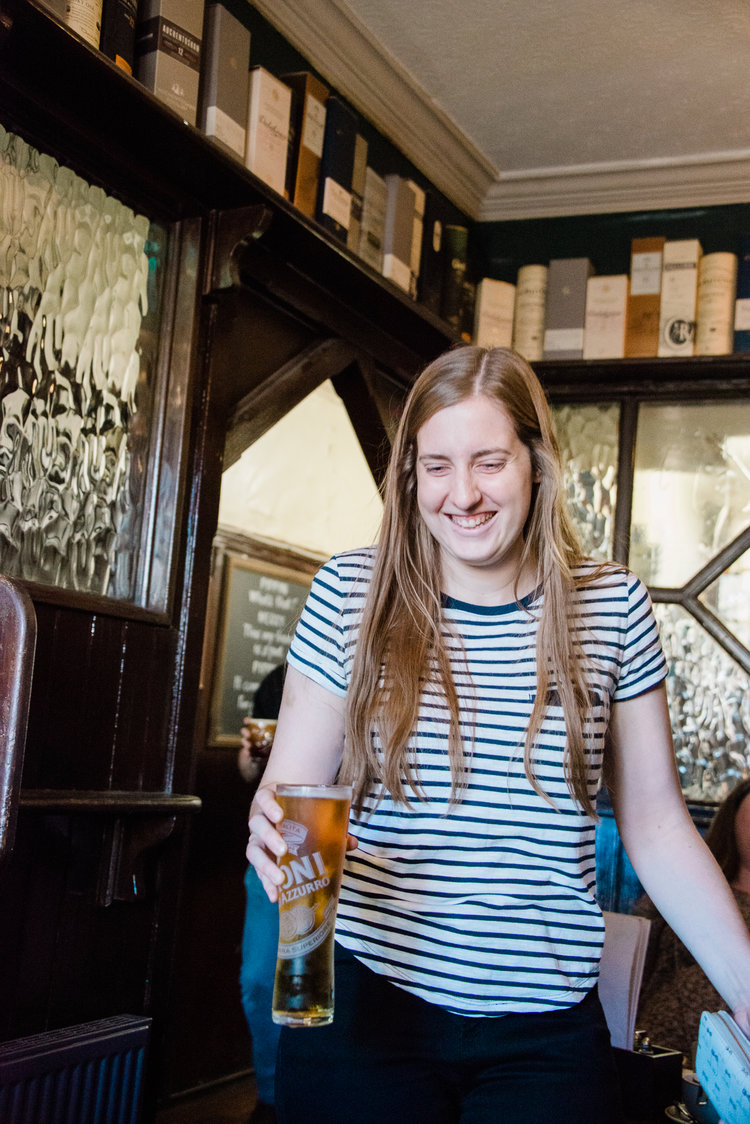
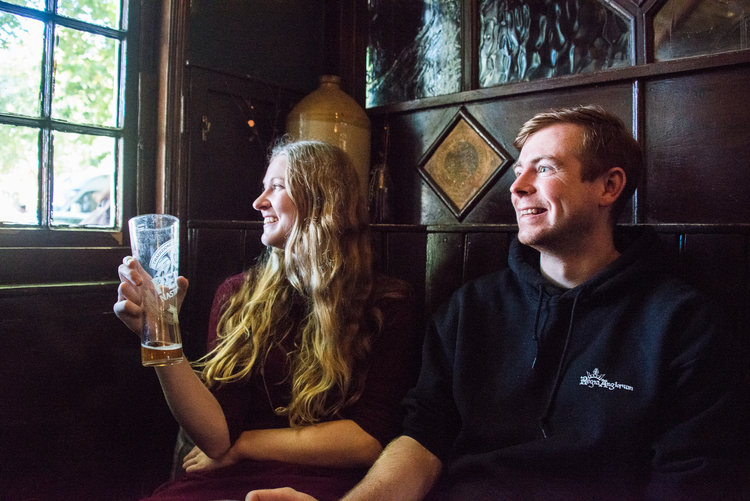
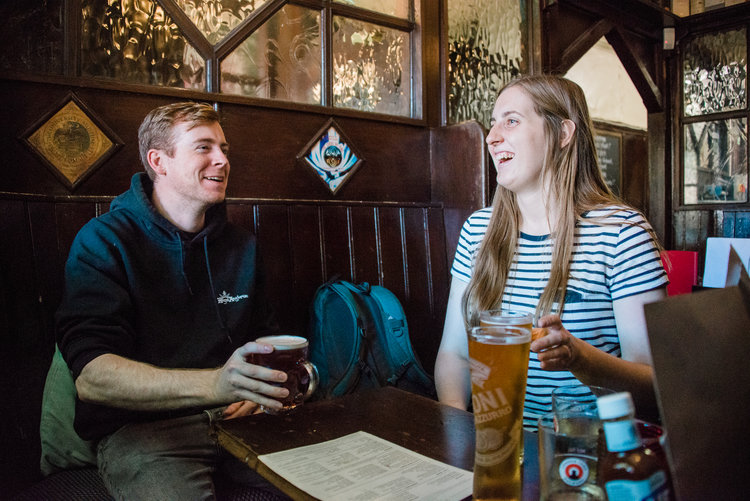
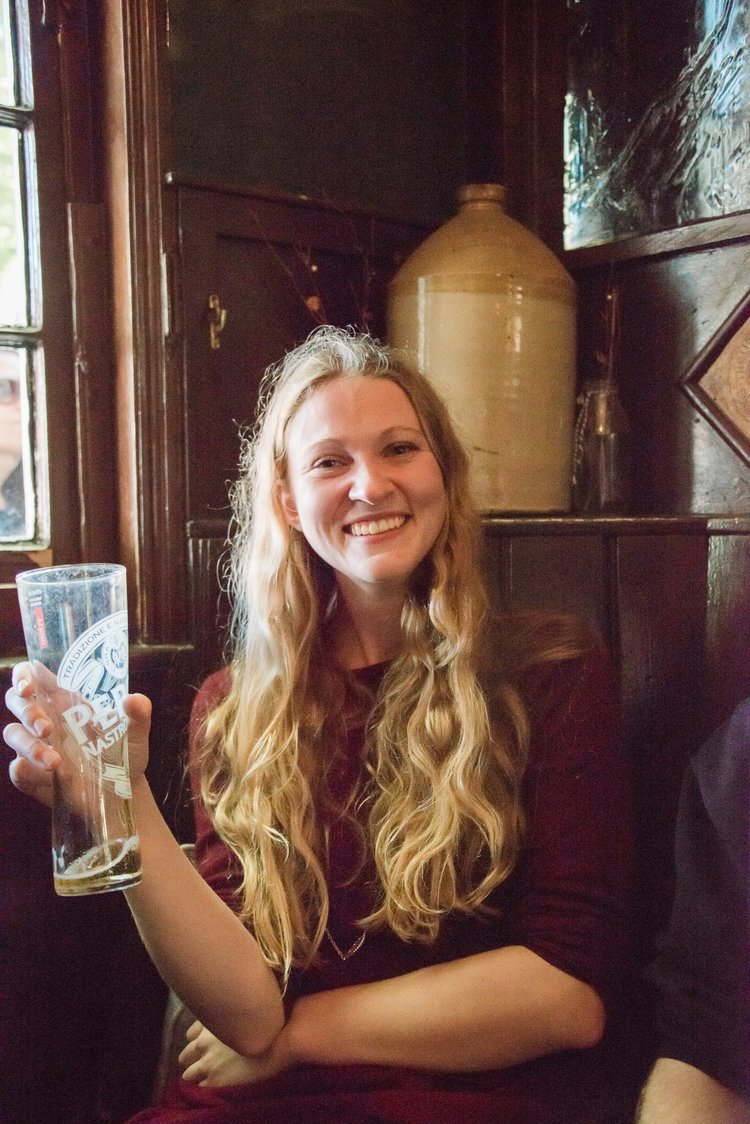
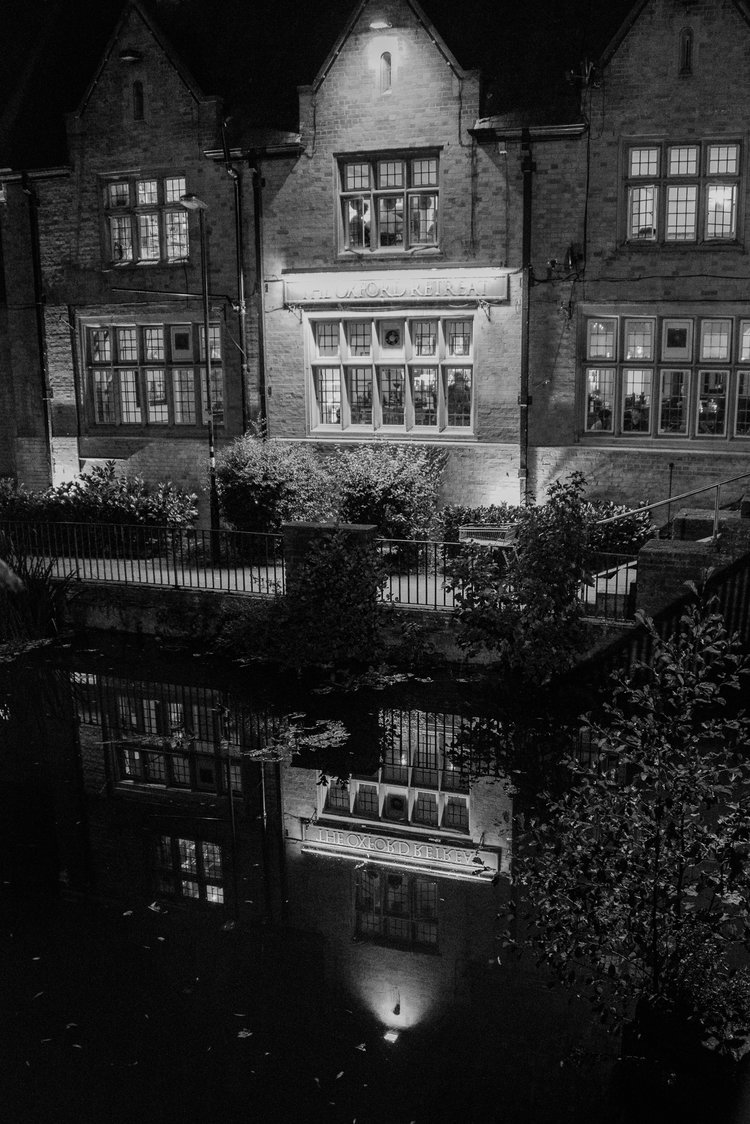
We got there around noon and so our first stop was the Eagle and Child, also known as the Bird and Baby, the local haunt of Tolkien, Lewis and the other Inklings. Honestly, I could have spent all day there, but we had a walking tour planned so after we finished our pints (it comes in pints!) and we went back to Broad Street.
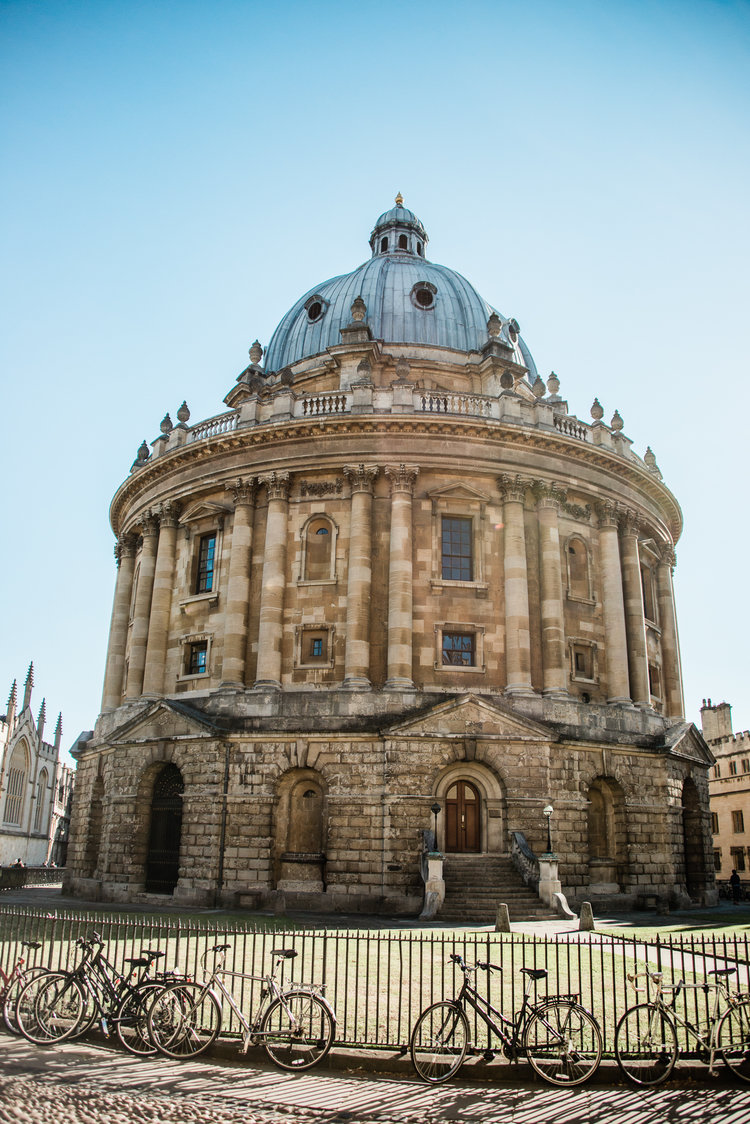
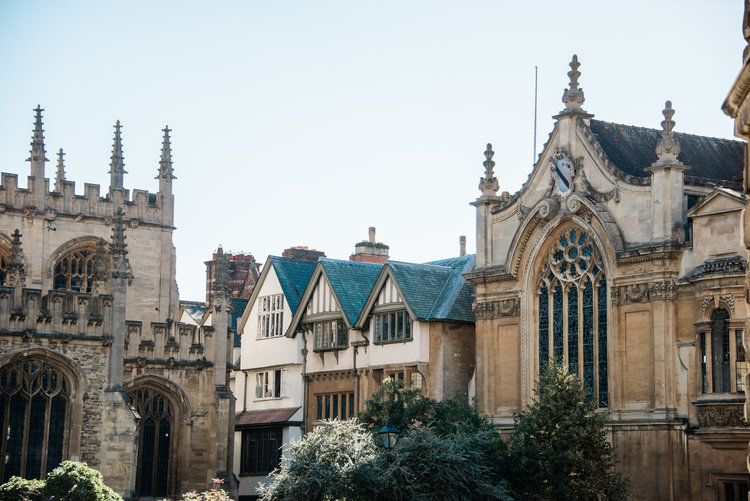
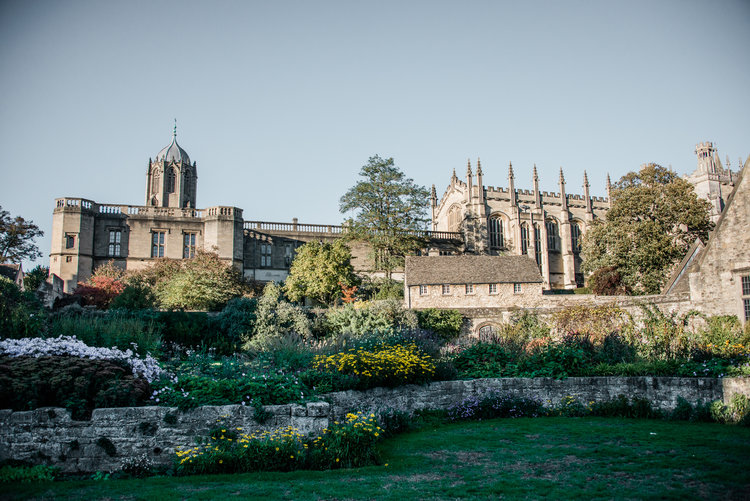
Oxford is not like Canterbury, that has the one awe-inspiring Cathedral and then a series of old buildings. Canterbury is lovely, but Oxford is grand, every corner you turn has a majestic new vista or imposing building. Of course this is mainly because all the colleges are constantly trying to outdo each other in their buildings, their grades, their alumni, and their tortoises. Yes. Tortoises. Apparently, every college has a pet tortoise and they hold races every year to see who has the fastest tortoise. The rivalry between Trinity and Balliol College is particularly fierce, and the guide told us the story how after Balliol’s tortoise, Rosa, had won for her third consecutive time, she had mysteriously gone missing. Balliol College immediately assumed foul play, and concluded that Trinity had stolen, killed, and buried their tortoise under Trinity’s front lawn. A completely logical conclusion. But despite digging up their rival’s entire garden, Rosa was never found. Tom and Katya were listening to the story when I interjected that even if they had found Rosa, she’d have already been dead for a while and Rigor Tortoise would have already set in. I received begrudging laughter and a threat that’d I’d be on the next train home. Worth it.
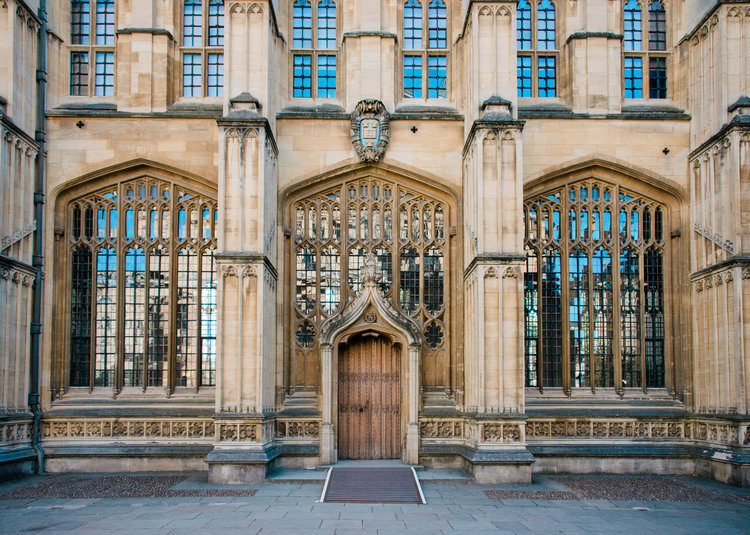
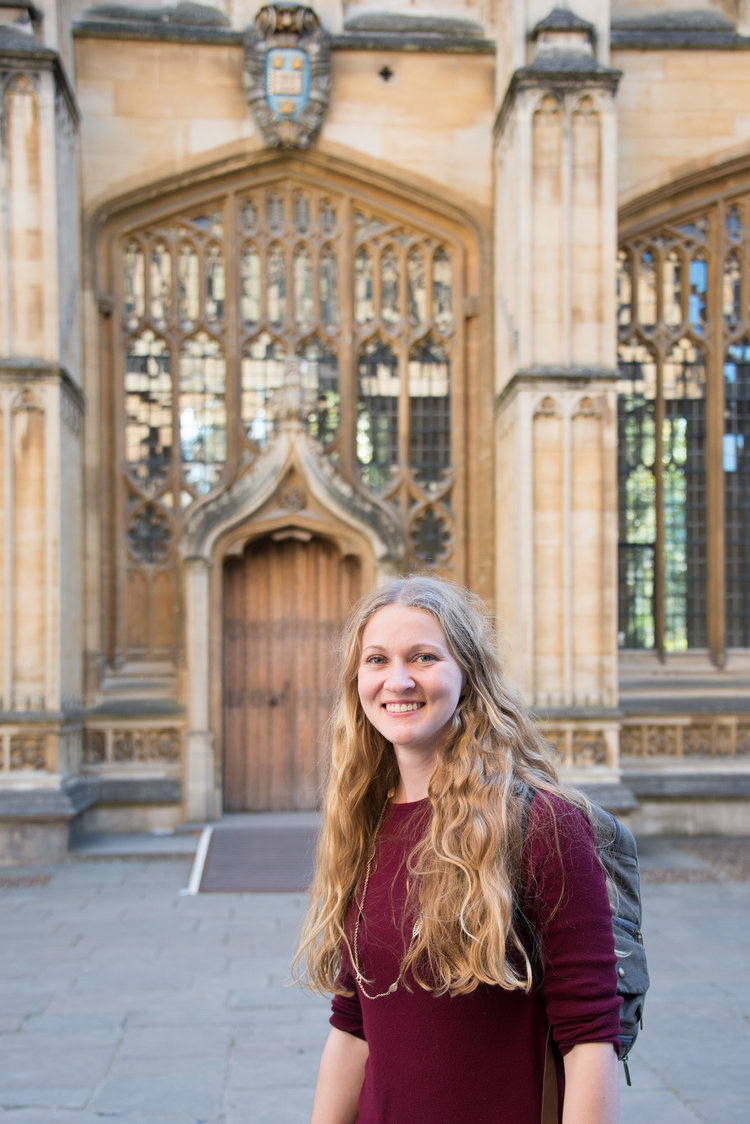
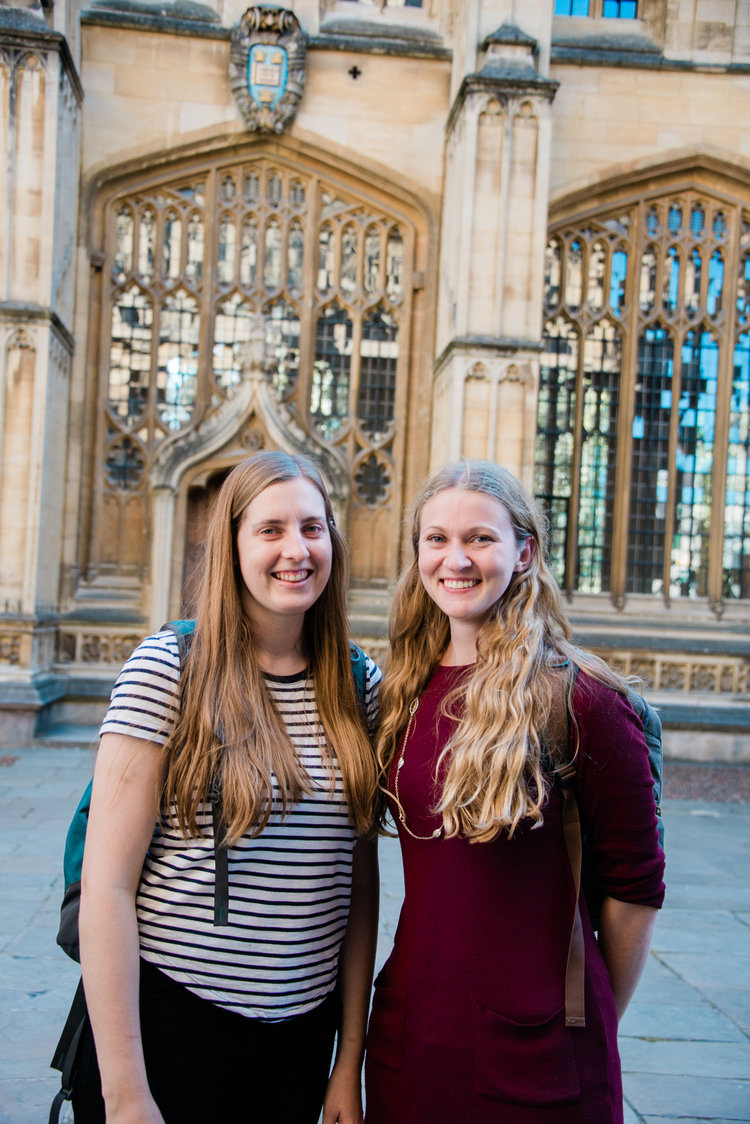
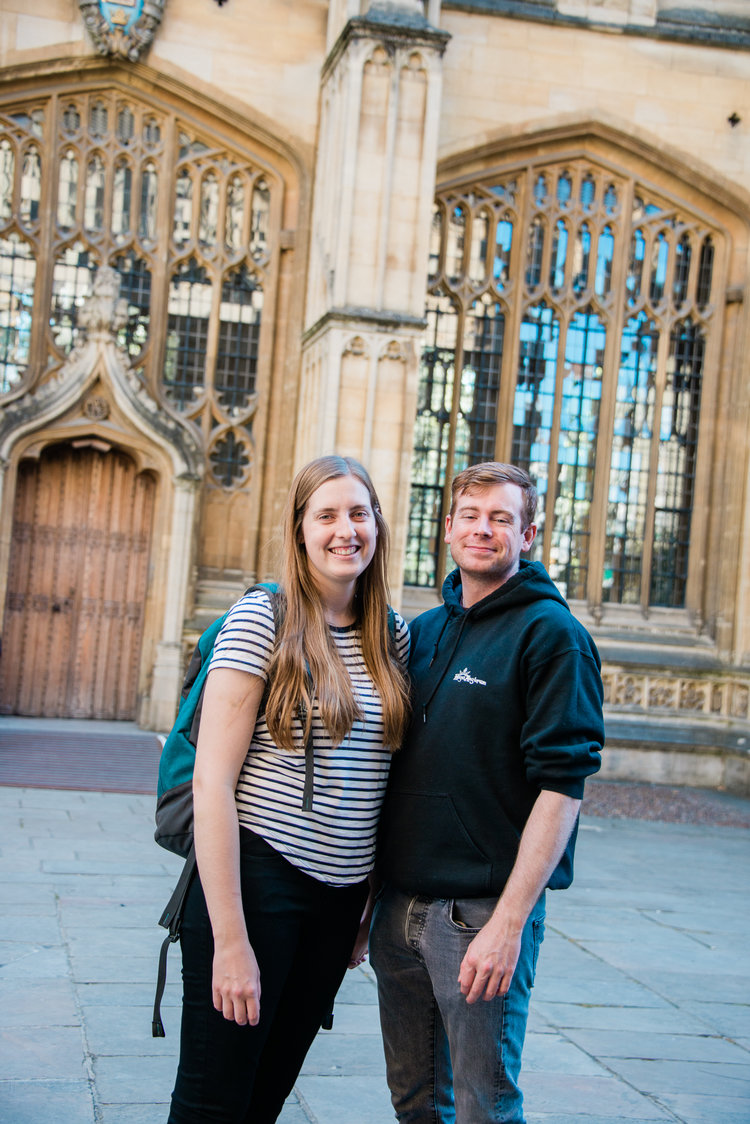
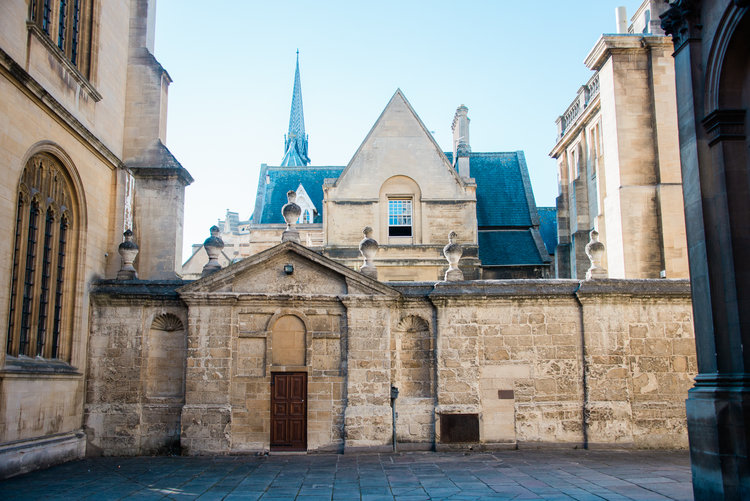
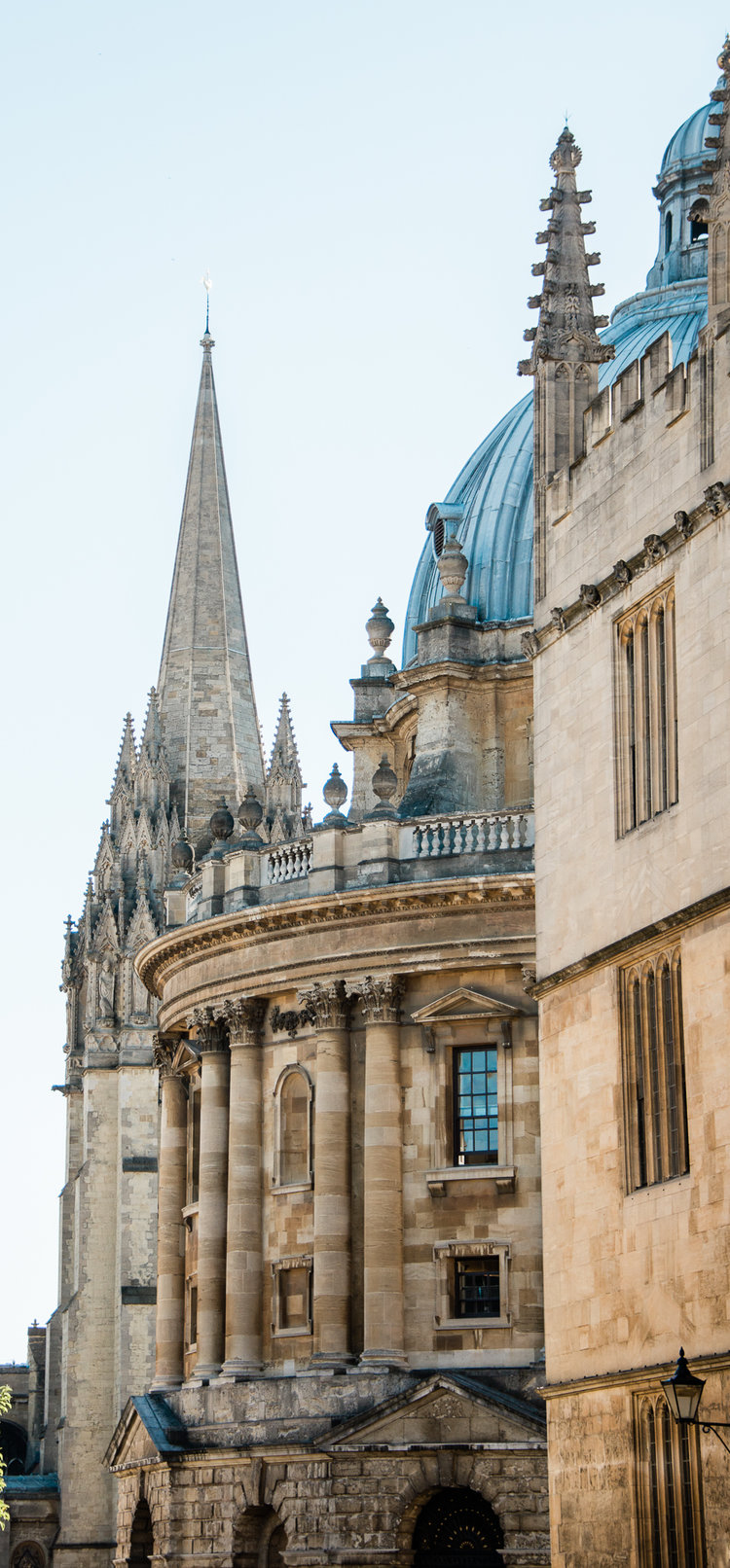
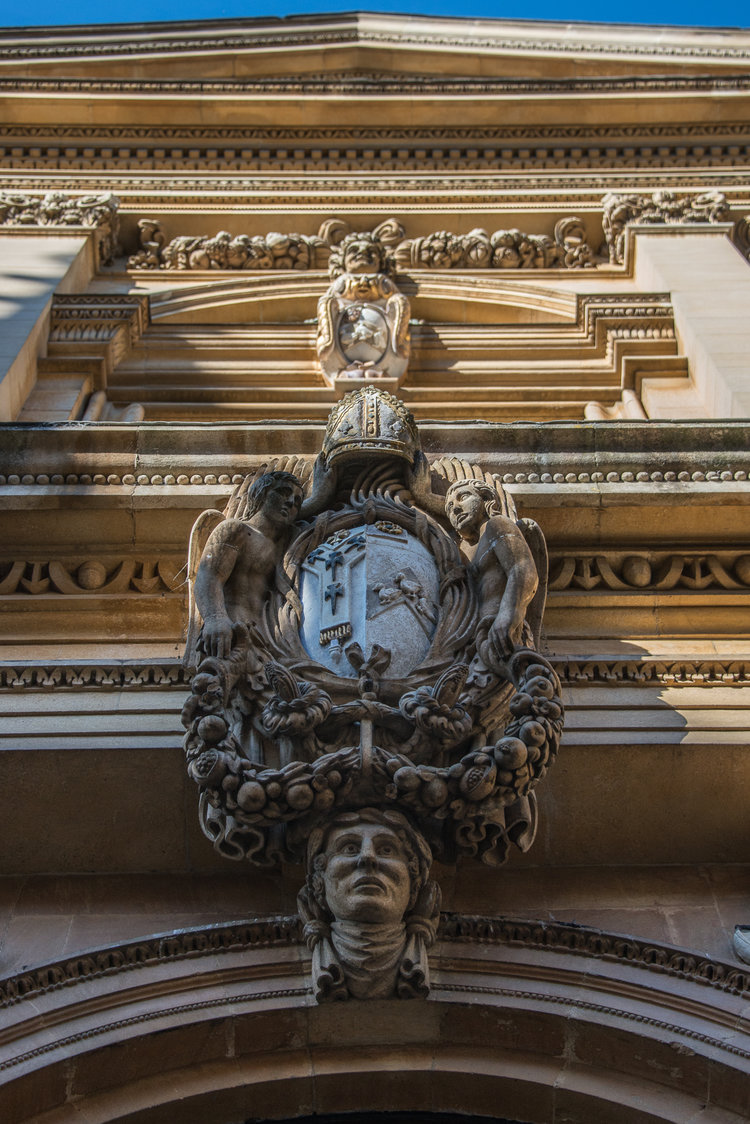

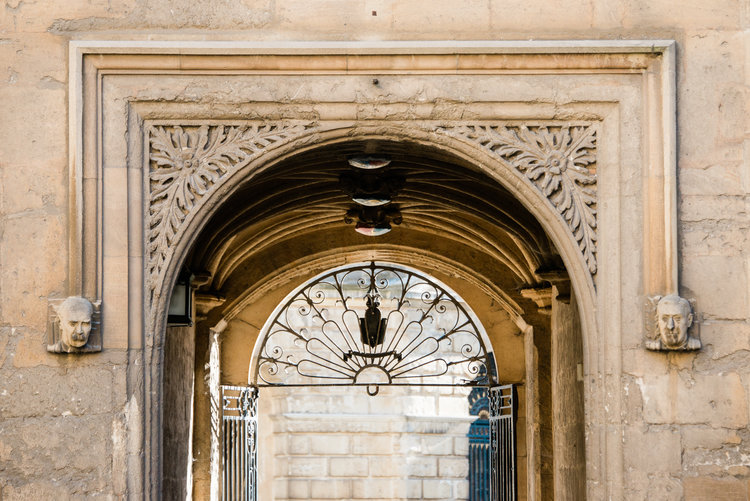
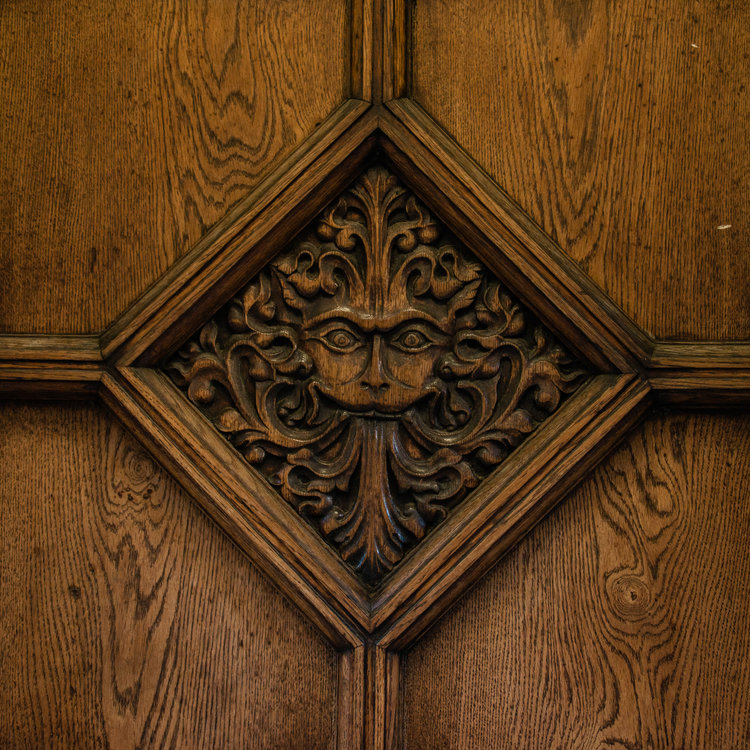
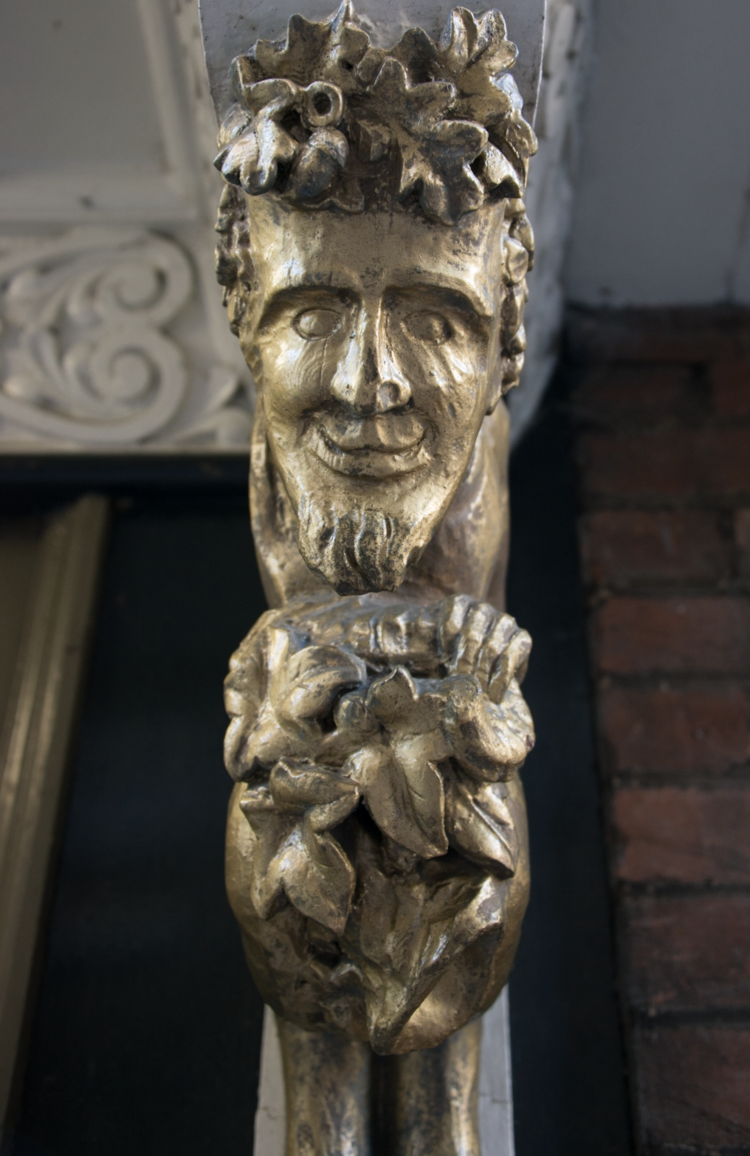
Now. I have a pet peeve when it comes to tours. It came up a lot on this trip particularly, but has happened to me in numerous other cities and it revolves around the word “inspiration.” Yes, people who write books may be inspired by things, this is true of Tolkien, C.S. Lewis, Lewis Carol, and all other other brilliant authors who came out of Oxford. However, this does NOT mean a guide can point to a lamp post and claim that it was the inspiration for Narnia! Or point to a door that has fawns statues on the door frame and claim that they were the inspiration for Mr. Tumnus! Lewis was an English scholar, he specialized in classics, he could read Ancient Greek, I’m quite certain he didn’t need a door to inform him of the existence of fawns. On the same door there is a carving, which our guide claimed was a lion, and therefore must have OBVIOUSLY inspired Aslan.
NO.
Firstly, the carving is of a green man, a folkloric character, so NOT a lion. Secondly, pretty sure, given that Aslan is slightly based on Jesus, just maybe he got the idea of a lion from the whole ‘Lion of Judah’ metaphor seen throughout the Bible.
So to all tour guides or would be tour guides: Not every alley was J.K. Rowling’s inspiration for Diagon Alley. You can’t point to any tree along your path and say, ‘that one inspired Treebeard!’ or ‘there’s the Whomping Willow!’ Not every rabbit that hops across your path lead Lewis Carol to be struck with the complete realization of Alice in Wonderland. Yes, authors have their inspirations, their themes, their characters, and they may draw these from their experience, but stop pulling literary connections out of your butts.
*deep breath*
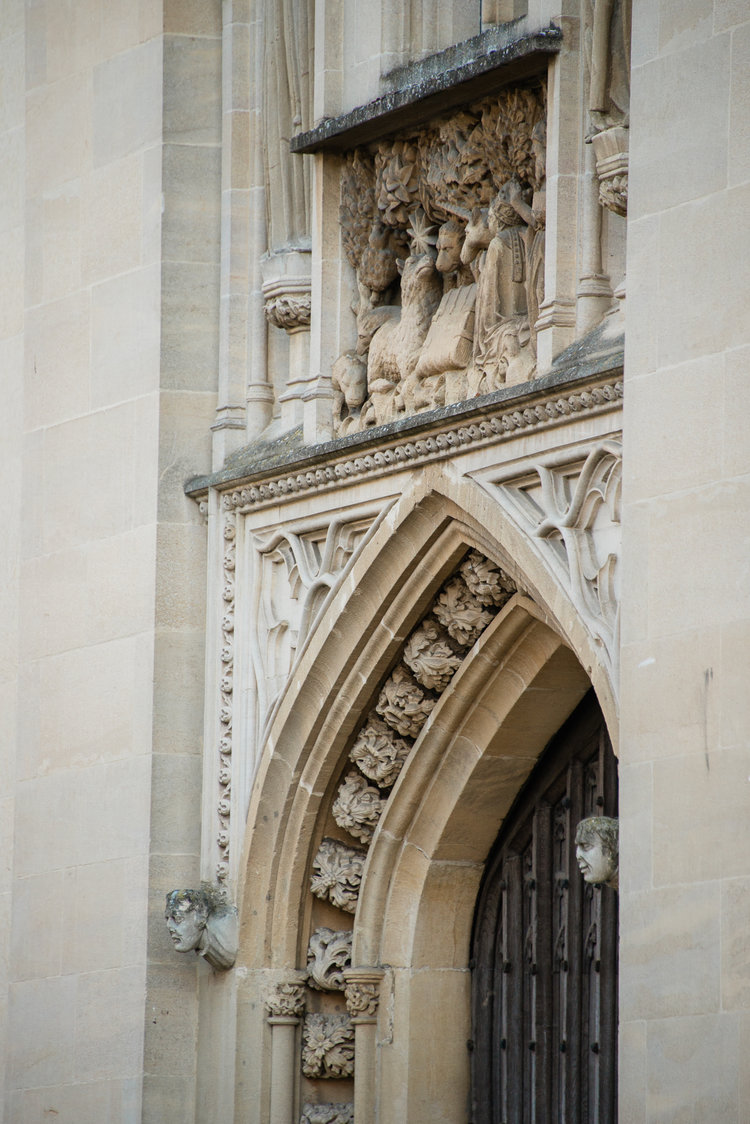
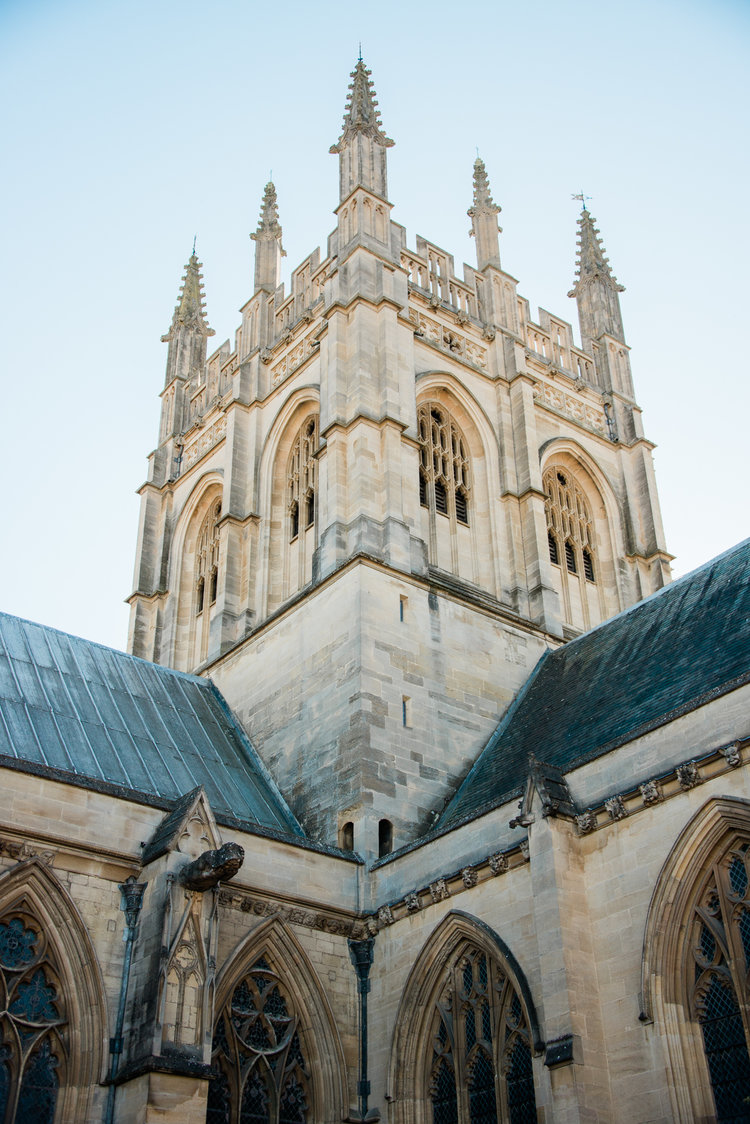
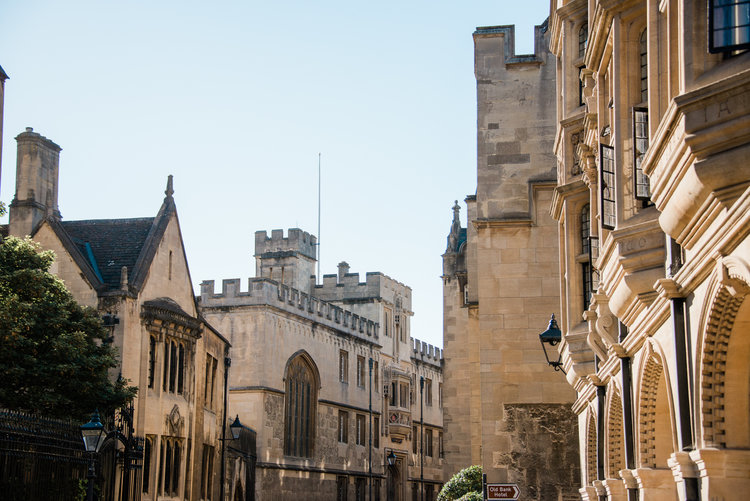
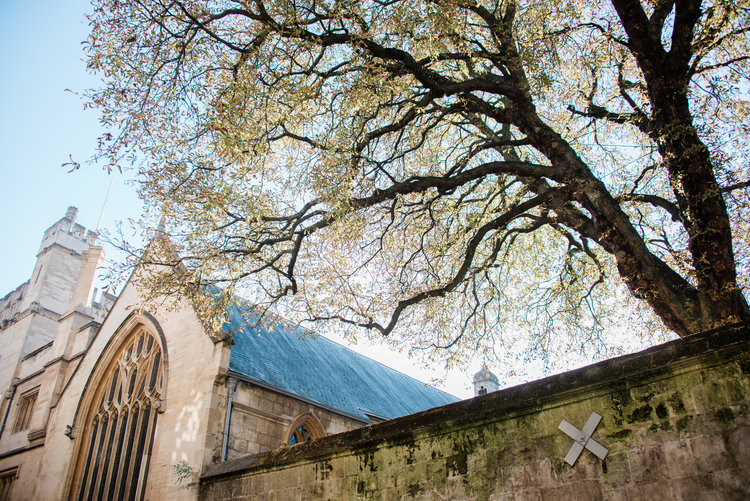
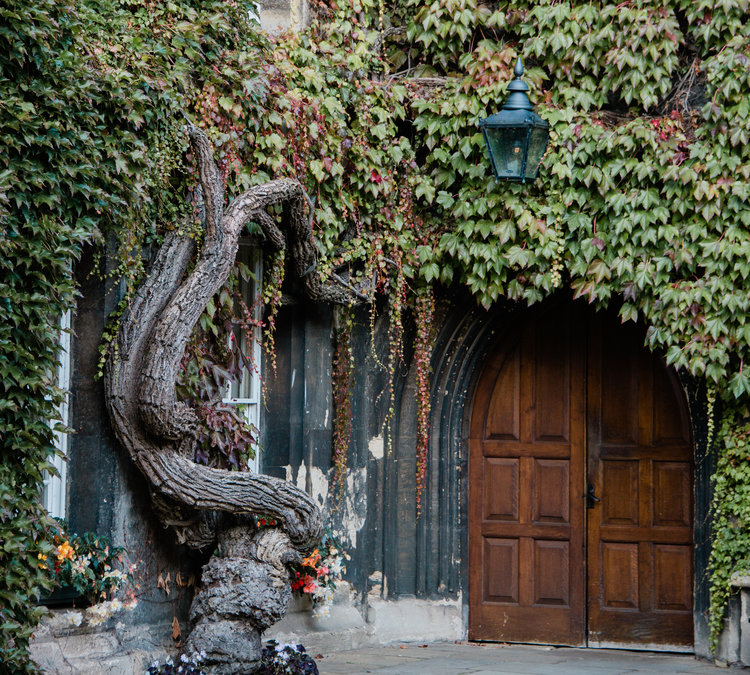
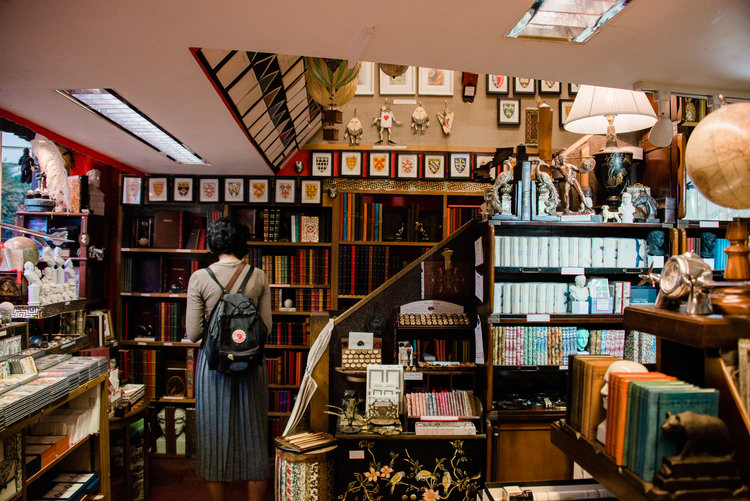
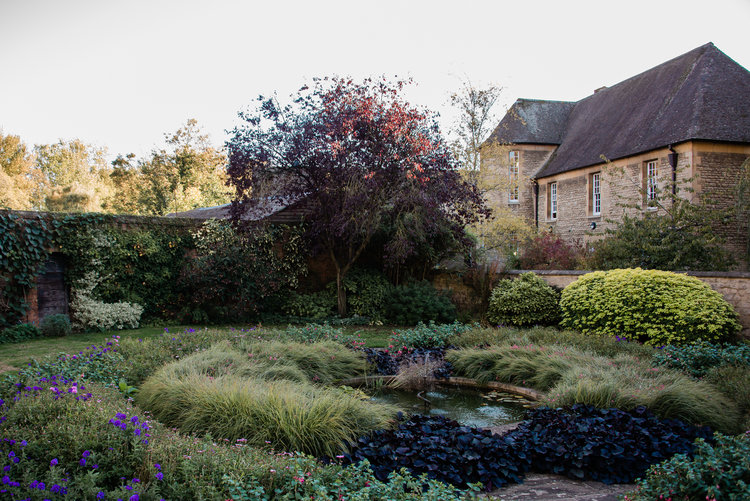
Other than that, the tour was very well done, lots of good stories, a few of which I remembered from my two previous trips to Oxford; one with Mom and Rachael, and the other with a different friend last time I lived in England. The best stories are the ones of the various mad antics of the professors and the completely mental traditions which are still followed to this day. After the tour, we had a short wander around the parts that the tour didn’t cover; the whisky shop, the scriptum book store, some gardens, and the Turf Tavern.
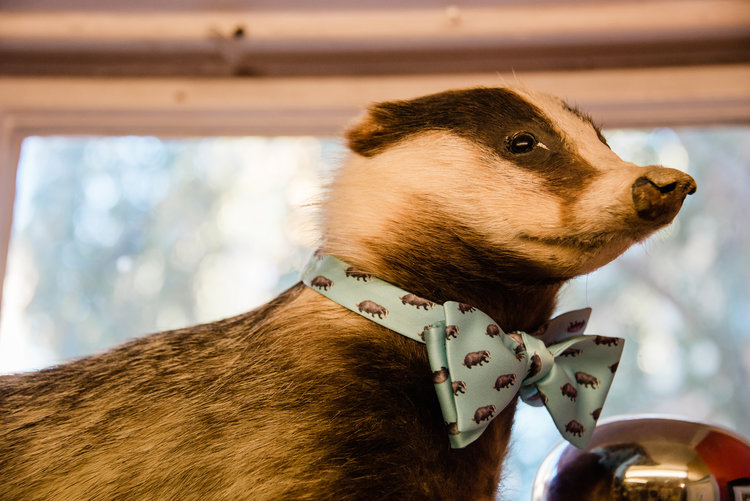
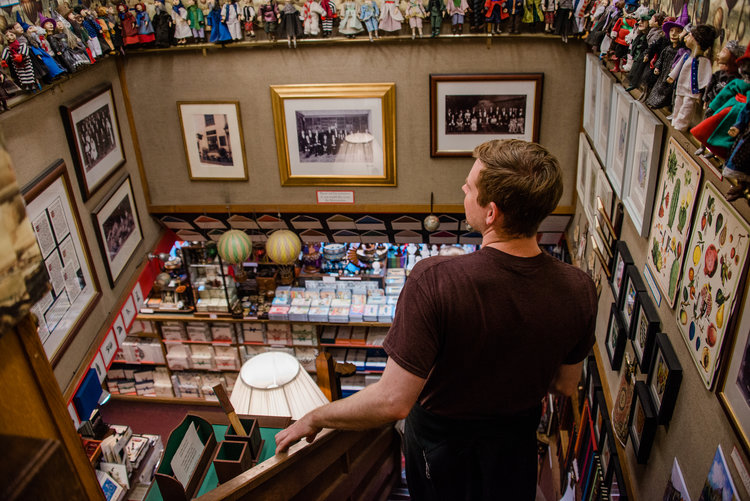
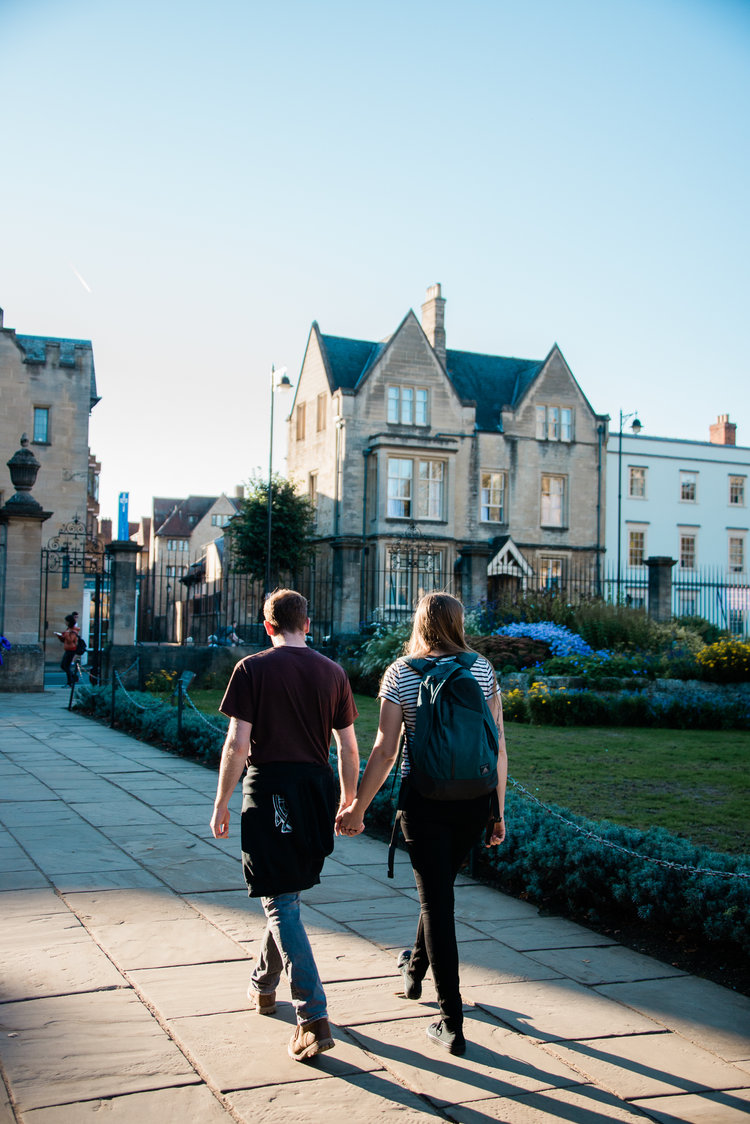
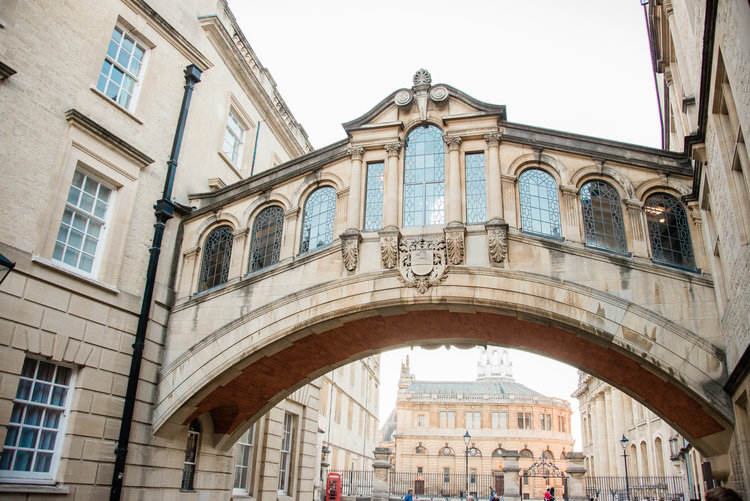
The Turf Tavern claims to be another one of the ‘oldest pubs in Oxford’ (there are at least 3, so someone’s lying), which has a prestigious list of previous patrons like Emma Watson, Bill Clinton, Elizabeth Taylor, Stephen Hawking, and Bob Hawke, and the Australian Prime Minister who set a world record, drinking a yard of ale in 11 seconds, a record university students have been trying to beat ever since. We didn’t have long before the lecture, so I ate my supper faster than I’ve ever eaten, though I still had to smuggle the remains of my burger in my pocket to finish off later.
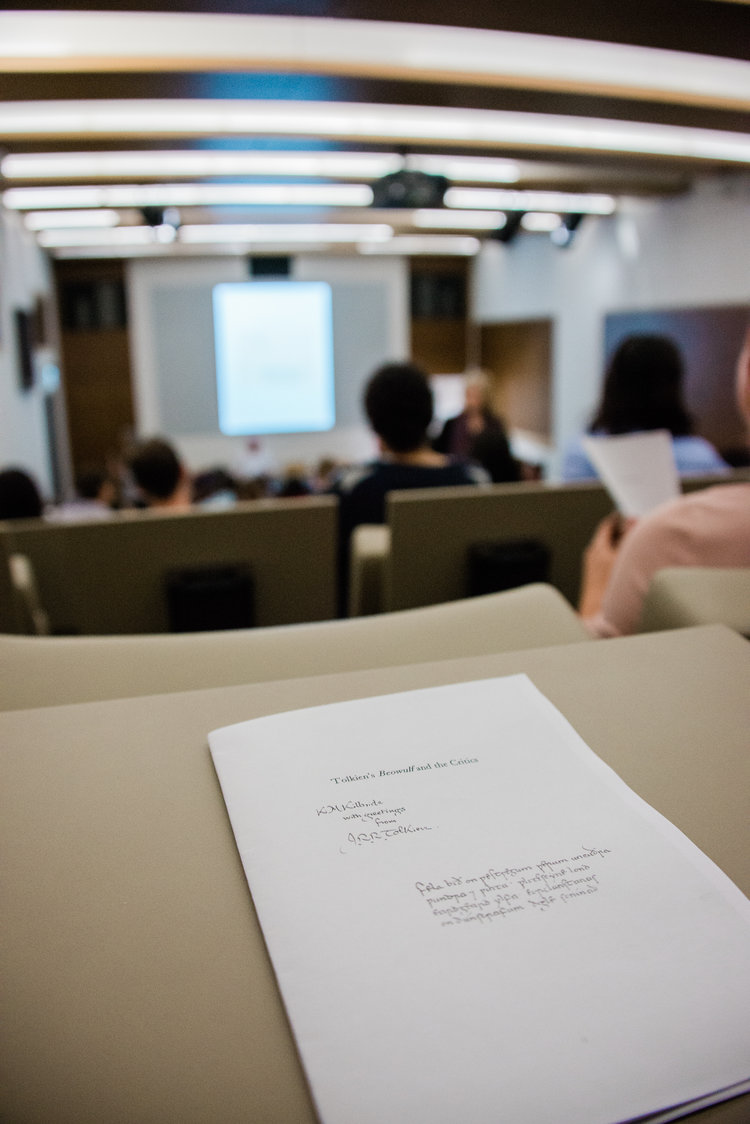
The lecture was brilliant. The professor, Andy Orchard from Pembroke College, began in the same way that Tolkien often began his lecutres; reading the first lines of Beowulf in a great voice that hushed even the most talkative pupil. He then went on to talk about Tolkien’s own translation of Beowulf. Tolkien probably first finished it in 1926, but never published it because he never thought it was good enough, and it was only recently published in 2014. Tolkien intentionally kept archaic terms to fit within the ancient nature of the story he was telling, and while he starts with prose as a base, Tolkien tries to make the whole text as poetic as possible to maintain the “irrecoverable magic” of Beowulf. Since we only have one Beowulf manuscript, which was likely written by two scribes, Tolkien, who was used to mixing together number Latin or Greek versions of a text, did feel some freedom to edit and try to recapture some of the original intentions of the poem. Professor Orchard read out the passages in Old English and I was completely spell-bound. My one class of Old English last year was not nearly enough.
One of the passages Professor Orchard read is the one he is suggesting for the memorial of Tolkien that is being planned for a few years down the road. It is from Tolkien’s own translation of Beowulf, and I don’t think I’ve read something more beautiful or fitting.
“At whiles a servant of the king, a man laden with proud memories, who had lays in mind and recalled a host and multitude of tales of old - word follows word, each truly linked to each- this man in his turn began with skill to treat the quest of Beowulf and in flowing verse to utter his ready tale, interweaving words” (Beowulf 869-71a, translation by J.R.R.Tolkien)
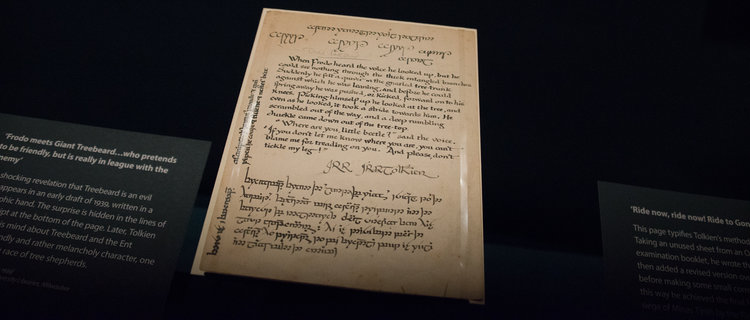
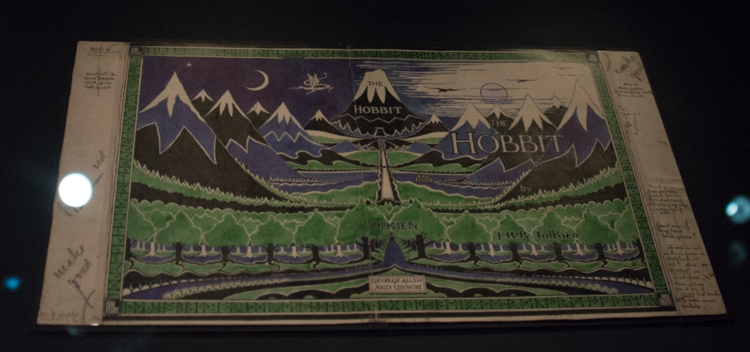
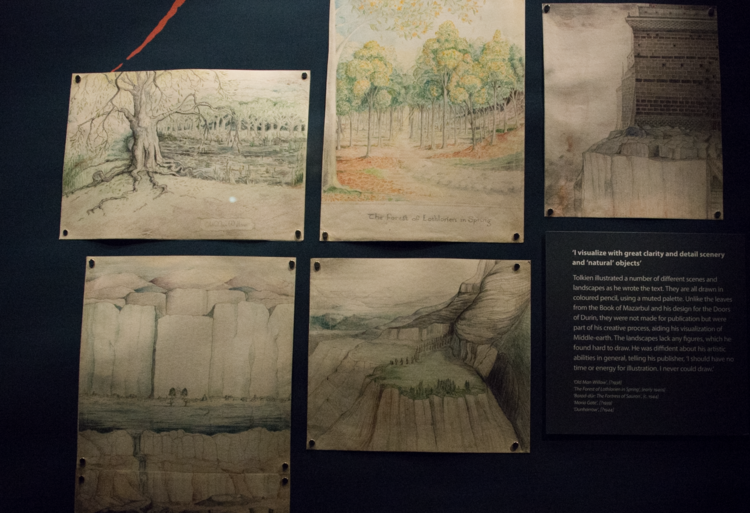
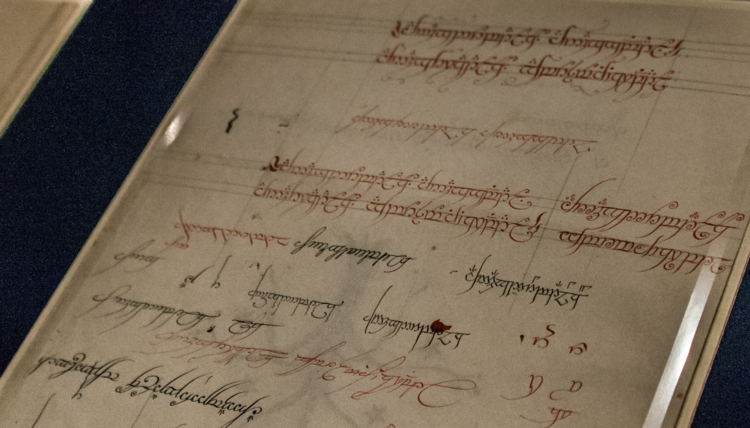
When the talk was finished, we went across the hall to the Tolkien Exhibition, a room full of his original manuscripts, artwork and letters. His flowing elvish script adorned many of the pages and it was amazing to see the early stages of so many things that are now so beloved. The security guard said no one had turned up in costume yet, so Katya and I may have to come back with our hobbit gear.
Oxford doesn’t change much, but there is always more to see.